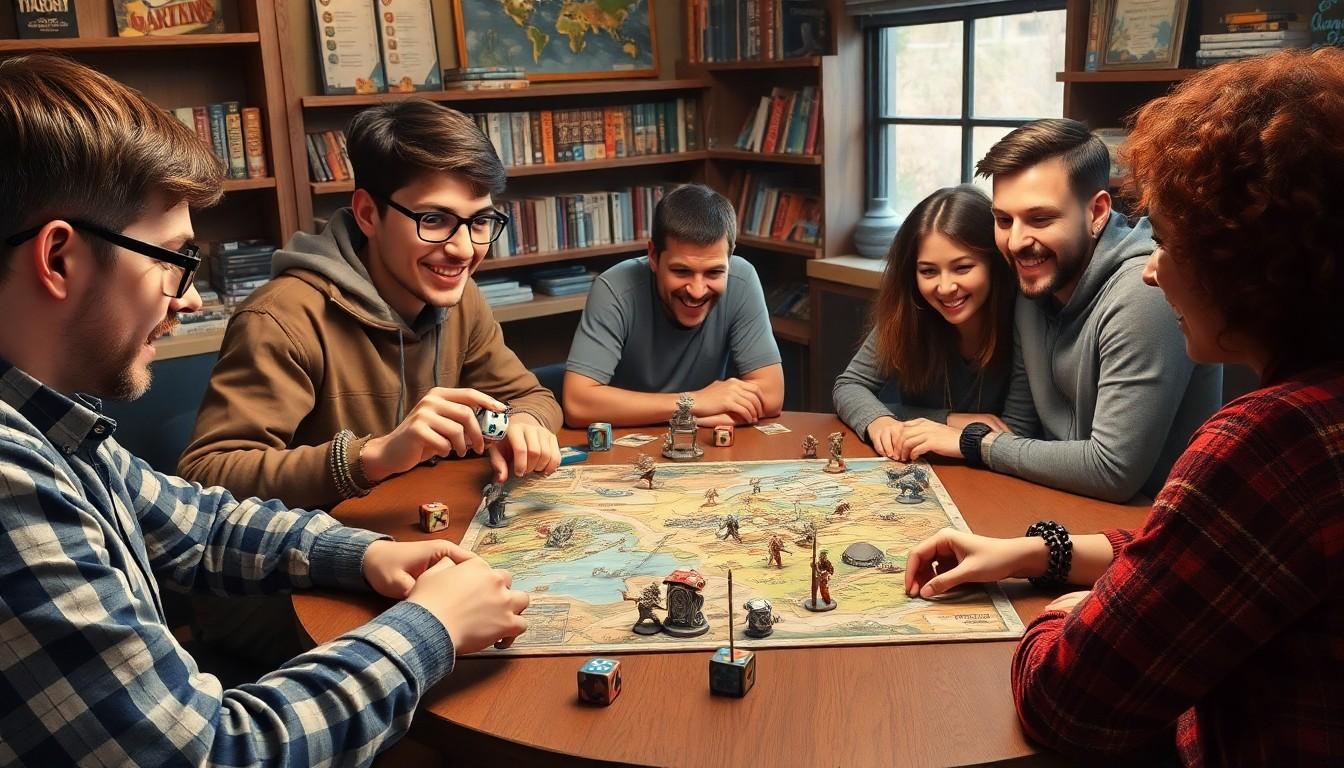
In a world where strategy meets fun, the battlefield board game emerges as the ultimate arena for tactical minds and thrill-seekers alike. Picture this: a table strewn with miniatures, dice clattering, and the scent of friendly competition in the air. It’s not just a game; it’s a chance to unleash your inner general while trying to outsmart your friends—who might be plotting your downfall over a slice of pizza.
Overview of Battlefield Board Game
Battlefield board games combine strategy with entertainment, targeting both tactical thinkers and those looking for excitement. Players engage in battles using miniatures and dice, creating an immersive experience filled with competition. Various scenarios and maps often enhance gameplay, providing fresh challenges and tactical opportunities.
Participants typically choose factions or armies, each with its distinctive attributes and abilities. The diversity among these factions allows for unique strategies, encouraging players to adapt their tactics based on their opponents. Game rules guide movement, combat, and resource management, adding layers of complexity to the action.
Skill levels often vary among players, making matches dynamic and unpredictable. Depending on player experience, outcomes can differ significantly as strategies evolve with each session. As players learn and refine their approaches, they often enhance their enjoyment of the game.
Scenarios may include objectives, capturing territories, or defeating opponents, requiring careful planning and execution. Each gaming session can feel novel due to this variability, maintaining high engagement levels.
The atmosphere during gameplay is typically energetic, punctuated by laughter and friendly rivalry. Engaging in battlefield board games creates memorable moments, fostering camaraderie and competition among friends.
Platforms for these games may also exist online, enabling remote play while preserving the tactical essence. Online expansions contribute to the growing popularity, allowing access to broader communities and new challenges. These games have gained a devoted following, reflecting their appeal across various demographics.
Gameplay Mechanics
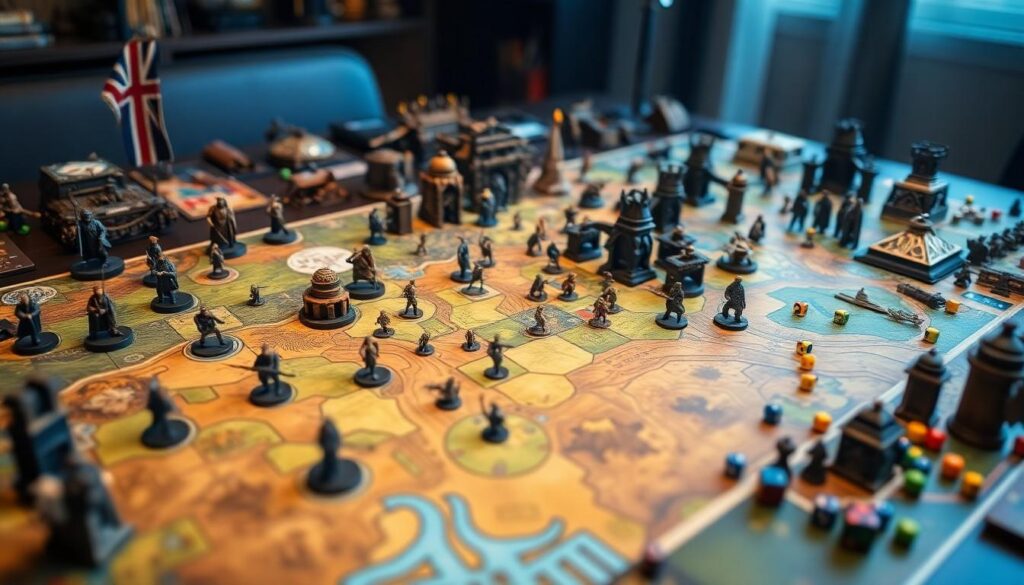
The gameplay mechanics of battlefield board games create an engaging experience. These mechanics include various components working together to shape the overall strategy.
Game Components
Players often utilize miniatures to represent their armies, making each faction visually distinct. Dice play a critical role in combat resolution, introducing an element of chance that can turn the tide of battle. Game boards depict terrain and obstacles, offering tactical advantages or challenges during play. Cards may also feature special abilities, enhancing gameplay and introducing strategic depth. Such components ensure players remain immersed in the game, navigating through intricate battles.
Turn Structure
Each player takes turns, maintaining a structured flow throughout the game. During their turn, players can perform several actions, including moving units, attacking opponents, or using abilities. Specific rules dictate the sequence of actions, promoting strategic decision-making. After a player completes their actions, the turn passes to the next player, creating a rhythmic gameplay pace. This structure fosters anticipation, as players observe opponents and adapt their strategies based on observed movements.
Strategies and Tactics
Strategies and tactics play a vital role in battlefield board games, enhancing both competitive gameplay and overall enjoyment. Players must adapt their approaches based on opponents and objectives.
Effective Team Play
Effective team play involves communication and coordination among players. Teams should discuss strategies before engaging in battles. Assigning roles, such as offense or defense, can strengthen their approach. Utilizing faction strengths optimally matters, as some armies excel in offense while others thrive in support roles. With a focus on objectives, players can prioritize tasks like capturing key territories. Players should also anticipate enemy moves, as this helps in countering tactics. Incorporating surprise elements can lead to success, ensuring the game remains exciting for all involved.
Solo Play Approaches
Solo play approaches differ from team strategies but remain equally engaging. Players must embrace self-reliance and adapt to challenges without teammates. Prioritizing decision-making skills is crucial, as quick thinking often determines victory. Utilizing a flexible approach enables adaptation to various factions and tactics. Engaging with scenario-based challenges or campaign modes provides additional depth, creating unique experiences. Players can also analyze past games to identify successful tactics or mistakes. Experimenting with different armies enhances understanding of mechanics and builds overall proficiency. Emphasizing strategic development in solo play can lead to improved performance in competitive situations.
Visual and Aesthetic Aspects
Visual and aesthetic elements play a significant role in enhancing the overall experience of battlefield board games. Players often find themselves immersed in the vibrant worlds created through careful design choices.
Artwork and Design
Artwork and design significantly impact player engagement. High-quality illustrations convey themes effectively, immersing players in a specific historical period or fantasy realm. Detailed character representations and faction symbols enable quick identification, facilitating strategic decisions during gameplay. Some games feature unique artistic styles that reflect their narrative, enriching the gaming experience. Aesthetically pleasing components, from cards to miniatures, attract players’ attention and contribute to the game’s appeal.
Game Board Layout
Game board layout influences tactical decision-making and player interaction. Well-designed boards often showcase engaging topography, including hills, forests, and waterways, which provide players with strategic advantages. Visual clarity in these layouts prevents confusion and promotes quick comprehension of movement and positioning. Distinct zones may indicate special terrain effects or objectives, enhancing strategic depth. Dual-sided boards in some games offer variety, allowing players to explore different strategies and adapt to diverse scenarios. Such thoughtful design elevates the gameplay experience and keeps sessions dynamic.
Community Engagement
Strong community engagement enhances the battlefield board gaming experience. Players frequently gather at local game shops for tournaments and casual meet-ups. Social media platforms facilitate interaction among enthusiasts, allowing players to share strategies and experiences. Online forums offer spaces for discussions about game mechanics and upcoming expansions.
Creative communities often produce custom scenarios and house rules, adding unique twists to standard gameplay. Players contribute to the richness of the game by designing new maps or creating original content. Such contributions foster a sense of ownership and belonging within the community.
Local clubs typically host events that cater to various skill levels, ensuring inclusivity for both newcomers and veterans. Club tournaments create competitive environments that encourage players to sharpen their skills. Regular participation in these events builds friendships and a supportive network of players.
Furthermore, collaboration with game designers through playtesting sessions is common. Players provide valuable feedback that helps refine gameplay mechanics and balance factions. Designers often appreciate community involvement, which influences future releases and expansions.
Strong online communities also emerge around popular battlefield board games. Players engage in live-streaming sessions and video tutorials, demonstrating strategies and narrating gameplay. This engagement generates interest and attracts new players to the hobby.
Ultimately, community engagement elevates battlefield board games, creating lasting connections among players. The shared passion for competition and strategy nurtures a vibrant environment that enhances enjoyment. Connecting with others who share the same interests enriches the overall gaming experience.
Conclusion
Battlefield board games offer a captivating blend of strategy and camaraderie. Players engage in thrilling battles where every decision counts and tactical prowess is put to the test. The immersive gameplay, enriched by detailed miniatures and dynamic boards, creates an engaging environment that appeals to both seasoned strategists and newcomers alike.
As the community continues to grow, players find joy in sharing experiences and strategies, enhancing their skills through collaboration and friendly competition. Whether playing in person or online, the excitement of outsmarting opponents fosters connections that go beyond the game itself. With endless scenarios and evolving tactics, battlefield board games promise hours of enjoyment and unforgettable memories.